
Squinting into glare is not just uncomfortable. On a bright skin track, a windy ridgeline, or a long day on the water, poor eye protection makes you slower, sloppier, and more tired than you need to be. The right pair of sports sunglasses or snow goggles does three jobs at once: it cuts the light that wears you out, it blocks the UV that damages your eyes over time, and it stays put when you move fast.
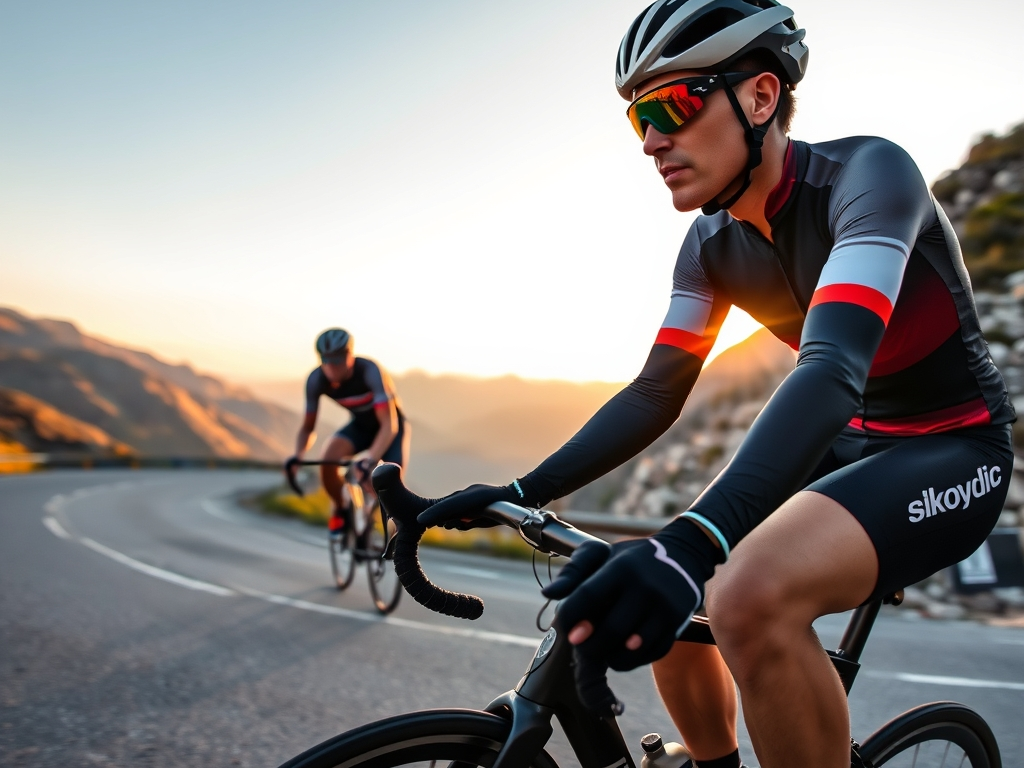
Most people buy on looks and regret it later. This guide walks through the factors that actually matter, so you can compare options across brands with a clear head. Anon is a useful reference point along the way: the brand’s lineup centers on snow goggles, helmets, and MFI® gear, so it sits squarely in the category where lens and fit decisions matter most.
Start With the Light You Will Actually Ride In
The single biggest mistake is buying one lens for every condition. Light varies enormously between a bluebird afternoon and a flat-light snowstorm, and a lens that feels great in one can be genuinely dangerous in the other.
The industry standard measure here is visible light transmission (VLT), which describes the percentage of visible light that passes through a lens:
- Low VLT (roughly under 20%) suits bright sun, high altitude, glaciers, and water. Dark lenses reduce glare and eye fatigue when the sun is pounding.
- Mid VLT (roughly 20–45%) is the all-around range for mixed cloud and sun, most resort skiing, and general trail use.
- High VLT (roughly 45% and up) is built for flat light, fog, storms, and dusk, where you need to read terrain contours rather than block brightness.
If you only buy one lens, choose the mid range and accept that it will be compromised on the brightest and darkest days. If you go out often, an interchangeable-lens system is worth the extra spend: you carry one frame and swap the lens instead of buying two pairs of goggles. Not every goggle line offers that feature, so confirm it on the spec sheet before you commit.
Tint color matters too, though it is secondary to VLT. Gray and dark bronze tints keep colors relatively natural. Yellow, rose, and copper tints increase contrast, which helps in low light and on snow where shadows hide bumps. For sunglasses used on water or pavement, gray and brown tints are the common all-around choices.
What Lens Clarity and UV Protection Actually Mean
Two marketing terms get used loosely, so it helps to know what to look for on a spec sheet.
Clarity usually refers to optical quality: how little distortion the lens introduces across its width. Cheap molded lenses can create subtle warping near the edges, which your eyes compensate for all day and which shows up as fatigue or a mild headache by late afternoon. Better lenses are made with tighter tolerances and often use a cylindrical or toric shape that follows the curve of your face without bending the image. If you wear prescription glasses, you already know the difference good optics make — the same principle applies here.
UV protection is the non-negotiable one. Look for lenses that state 100% protection against both UVA and UVB. This matters more at altitude, where UV exposure climbs with every thousand feet, and on snow, which reflects a large share of UV back up into your eyes. Note that a dark lens is not automatically a protective one: tint and UV blocking are separate properties. A cheap dark lens with no UV rating can actually be worse than no sunglasses at all, because it opens your pupil wider while blocking nothing.
Anti-fog coatings and ventilation deserve a mention alongside clarity. Fog forms when warm, moist air from your face meets a cold lens. Vented frames and dual-pane lens construction reduce that gap; coatings help the moisture sheet off instead of beading. No goggle is fog-proof, but the well-designed ones recover fast once you start moving again.
Fit and Retention: The Part Most People Get Wrong
A lens is only useful if it stays where you put it. Retention comes down to three contact points: the bridge of your nose, the temples, and behind the ears.
For sunglasses, look for:
- A nose piece that grips without pinching. Rubberized or adjustable nose pads help. On long runs or rides, sweat makes everything slippery, so fit matters more than weight.
- Temples that curve and stay curved. Straight arms slide forward when you look down. Wraparound styles also block peripheral glare, which matters on water and snow.
- A frame that does not lift when you smile or sweat. Test by tilting your head down and shaking it gently. If the frame moves now, it will move at the worst moment later.
For snow goggles, the fit question is mostly about face shape and helmet compatibility. Goggles that are too narrow leave gaps at the temples; too wide and they press on your cheeks. The classic test is what the industry calls the “helmet gap” — the space between the top of the goggle frame and the brim of your helmet. A gap funnels cold air across your forehead and encourages fogging.
A practical shortcut is to buy goggles and a helmet from the same maker when you can, and to read that brand’s published fit information instead of guessing from photos. Anon makes both categories, which makes it a reasonable place to start if you are building a matched setup. If you already own a helmet from a specific brand, check that brand’s notes first.
Sunglasses or Goggles? Choosing the Right Tool
They are not interchangeable, and the decision is mostly about speed and exposure:
- Sunglasses win for running, cycling, paddling, hiking, fishing, and any activity where you generate your own airflow. They vent well, they let you drink and talk, and they can be pushed up on your head.
- Goggles win for downhill snow sports, where wind, cold, and flying snow make sunglasses impractical and where peripheral coverage prevents tearing.
- Both is a reasonable answer for ski tourers and mountaineers: sunglasses for the climb, goggles for the descent.
Wearing sunglasses under goggles is a bad idea — the arms break the seal and guarantee fogging. If you need vision correction, look for over-the-glasses goggle frames or prescription-compatible sunglasses instead of layering.
Care, Storage, and the Mistakes That Shorten Lens Life
- Rinse salt, sweat, and sunscreen off with fresh water before wiping. Sunscreen and salt spray etch coatings if left to sit.
- Never clean a lens with a dry paper towel or your shirt. Use the microfiber bag that came with the frame.
- Store goggles in their bag or case, not loose in a pack where the lens can grind against a zipper or a tool.
- Keep spares out of hot cars. Heat degrades coatings and can warp frames.
- Replace lenses that are visibly scratched in your central field of view. Peripheral scratches are annoying; central ones affect depth perception.
A Quick Buying Checklist
Before you commit, confirm: 100% UVA/UVB protection stated on the lens; a VLT range that matches your most common conditions; an interchangeable lens option if you go out often; a fit that survives a head shake; helmet compatibility for snow use; and a warranty or replacement-lens program you can actually use. For sunglasses, add one more item to the list — check that the frame does not collide with your helmet straps or a cap brim. If you are comparing across several categories at once, write your three must-haves down first and let the rest go.
Frequently Asked Questions
Do I need polarized lenses? Polarization cuts glare off water, snow, and pavement, which is genuinely useful for fishing and driving. It can, however, make it harder to read ice patches and some digital screens. Many snow athletes prefer non-polarized contrast lenses instead.
How often should lenses be replaced? When your central vision is affected by scratches, or when coatings start to flake or haze. There is no fixed schedule.
Can I wear goggles over prescription glasses? Yes, with an over-the-glasses (OTG) frame designed for the extra depth. Check the fit notes, since OTG models run larger.
Are expensive lenses worth it? Optical clarity and coating durability generally improve with price, but the gain levels off. The best value is usually a mid-range frame with a well-made mid-VLT lens and a spare for flat light.
Where to Go From Here
Whether you land on sunglasses or goggles — or both, which is common for anyone who tours — start with the brand’s fit information and read the lens options carefully. That is where most of the real decision lives, and it is where a little reading saves a lot of return shipping. Browse the Anon goggles, helmets, and eyewear with your helmet, your most common conditions, and your VLT target in mind, and let fit and lens range narrow the field instead of colorways. Your eyes will thank you around hour six.