
Buying a drone is easy. Buying the right drone is where people get stuck. The listings blur together, every model sounds like the best one, and the accessories list can quietly double the cost of your first flight. Add in weight rules, registration requirements, and battery realities, and it is no wonder so many first-time buyers stall out.
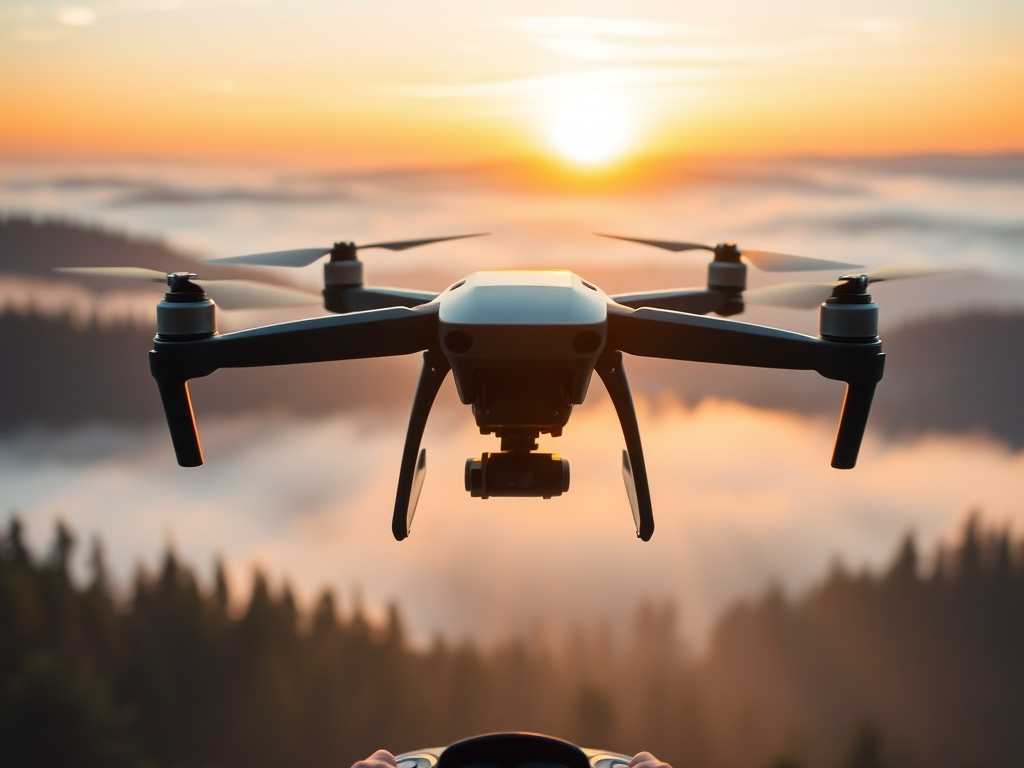
This guide walks through the decisions that actually matter, in the order you should make them. Drone Nerds, a retailer that carries DJI and other drone brands, is used as a reference point along the way, but the process below works no matter where you shop.
Step 1: Decide what you will actually do with it
Before you compare anything, write down the two or three things you genuinely want from a drone. Most outdoor buyers fall into one of these buckets:
- Travel and hiking footage. You want something light enough to carry all day without noticing it, and simple enough to launch on a ridge line without a 20-minute setup.
- Cinematic landscape and video work. You care about camera quality, stabilization, and smooth control more than portability.
- Action and proximity flying. You want something that flies close to the ground, through tight spaces, or around moving subjects, and you accept a steeper learning curve.
- Inspection, mapping, or thermal work. You need a working tool rather than a hobby craft, and payload or sensor options matter more than portability.
Be honest about bucket one versus bucket two. A drone that produces gorgeous footage but stays in the closet because it is a hassle to pack is a worse purchase than a smaller one you actually fly.
Step 2: Work through the weight and rules question early
Weight is the single most common surprise for new buyers, and it is worth sorting out before you fall in love with a specific model.
- Check the ready-to-fly weight, including battery. Marketing pages often lead with camera specs; the number that affects your obligations is the all-up weight.
- Understand the 250-gram line. In the United States, drones under roughly 250 grams flown recreationally fall into a lighter regulatory category than heavier aircraft. Above that threshold, registration and Remote ID requirements typically apply. Rules change, so confirm the current requirements with the FAA before you fly, and check local and park-specific restrictions too.
- Think about where you will fly, not just what you will fly. National parks, wilderness areas, and many state parks restrict launches. A lighter drone does not exempt you from those rules.
- Consider certification if you will earn money. Commercial work generally requires a Part 107 certificate in the US. If paid work is even a possibility, plan for that cost and study time.
This is where model families start to separate. Sub-250-gram aircraft such as the DJI Mini series are designed for exactly this conversation, while larger platforms like the Mavic series and the Matrice 300 series sit in a different weight and capability class. Drone Nerds organizes its consumer lineup by these families, which makes the comparison easier than jumping between brand pages.
Step 3: Match camera and flight features to your real use
Once weight is settled, the feature list becomes much easier to read. Focus on four things:
- Sensor size and low-light performance. Bigger sensors generally handle dusk and shadowed terrain better. If you shoot mostly midday, this matters less than you think.
- Stabilization and gimbal range. A stable gimbal is what separates usable footage from shaky footage. Look at how the gimbal handles wind and quick direction changes, not just megapixels.
- Obstacle sensing and return-to-home behavior. These features are your safety net, especially for new pilots flying near trees and ridgelines.
- Flight time and battery logistics. Advertised flight time is a laboratory figure. Real-world time is shorter in wind and cold. Figure out how many batteries you need for a typical outing, and budget for them up front.
Two categories worth flagging: thermal cameras, which Drone Nerds lists as a distinct product area, and FPV-style aircraft such as the Avata series. Thermal is a specialist purchase, and FPV flying has a real learning curve. Neither is a great first drone unless you have a specific reason.
Step 4: Price the whole kit, not just the aircraft
A common budgeting mistake is pricing only the drone. Build out the full picture:
- Extra batteries and a multi-battery charger
- A case or backpack that fits your hiking setup
- ND filters for video work in bright conditions
- A landing pad for uneven, dusty, or sandy ground
- Care or accident coverage, if offered
- Memory cards rated for the video you plan to shoot
Retailers often bundle these, so compare the total kit cost rather than the headline aircraft price. Drone Nerds advertises free shipping on orders of $49 or more within the contiguous 48 states, which helps on accessory orders, and it also offers a custom build service for buyers who need a configured setup rather than a standard box.
Step 5: Buy from a dealer that specializes in drones
The drone market moves fast, with new models and firmware updates arriving regularly. A specialist retailer is more likely to stock parts, batteries, and accessories for what it sells, and to have staff who can answer questions about compatibility between controllers, goggles, and aircraft.
Drone Nerds describes itself as a DJI authorized dealer and carries consumer drones, thermal cameras, and related parts, alongside brands like Autel and HOVERAir. That breadth is useful if you want to compare a Mini-series travel drone against an Air or Mavic model in one place, rather than piecing information together across several sites. An authorized dealer relationship also matters for warranty and service questions, so it is worth confirming coverage details at the time of purchase.
Common questions from first-time buyers
Do I need a license to fly recreationally? In the US, recreational flying has its own set of requirements, including a knowledge test for many pilots and registration for heavier aircraft. Check the FAA’s current rules before your first flight.
Is a cheaper drone a waste of money? Not necessarily. A lower-cost model you fly often beats a premium one that intimidates you. The trap is buying too little camera or battery life for the work you want to do.
Should I buy extra batteries right away? If your outings last more than a couple of hours, yes. Battery capacity degrades over time, and having two or three packs changes how you shoot.
Can I fly in national parks? Launching and landing in US national parks is generally prohibited. Plan locations in advance and check local rules wherever you travel.
Getting started the practical way
Pick your primary use, confirm the weight class and rules that apply to it, then price the full kit before committing. If you want to compare model families side by side, browse the drone collections at Drone Nerds and check the accessories for whichever aircraft you shortlist. Doing that comparison before you buy is the difference between a drone that sits in a bag and one that goes on every trip.